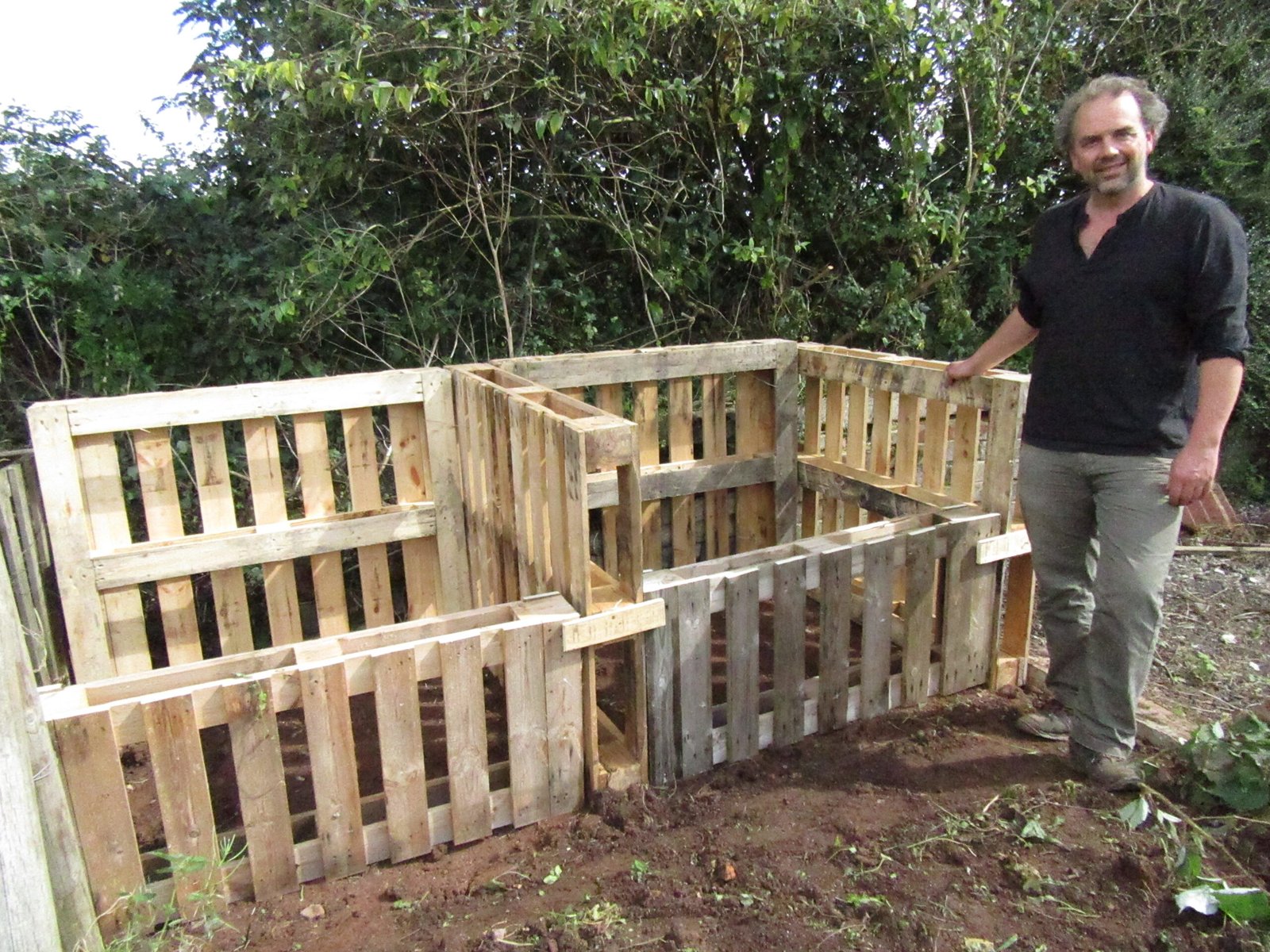
This month Simon Akeroyd builds a three bay compost bin for his kitchen garden to deal with all the garden waste at this time of year.
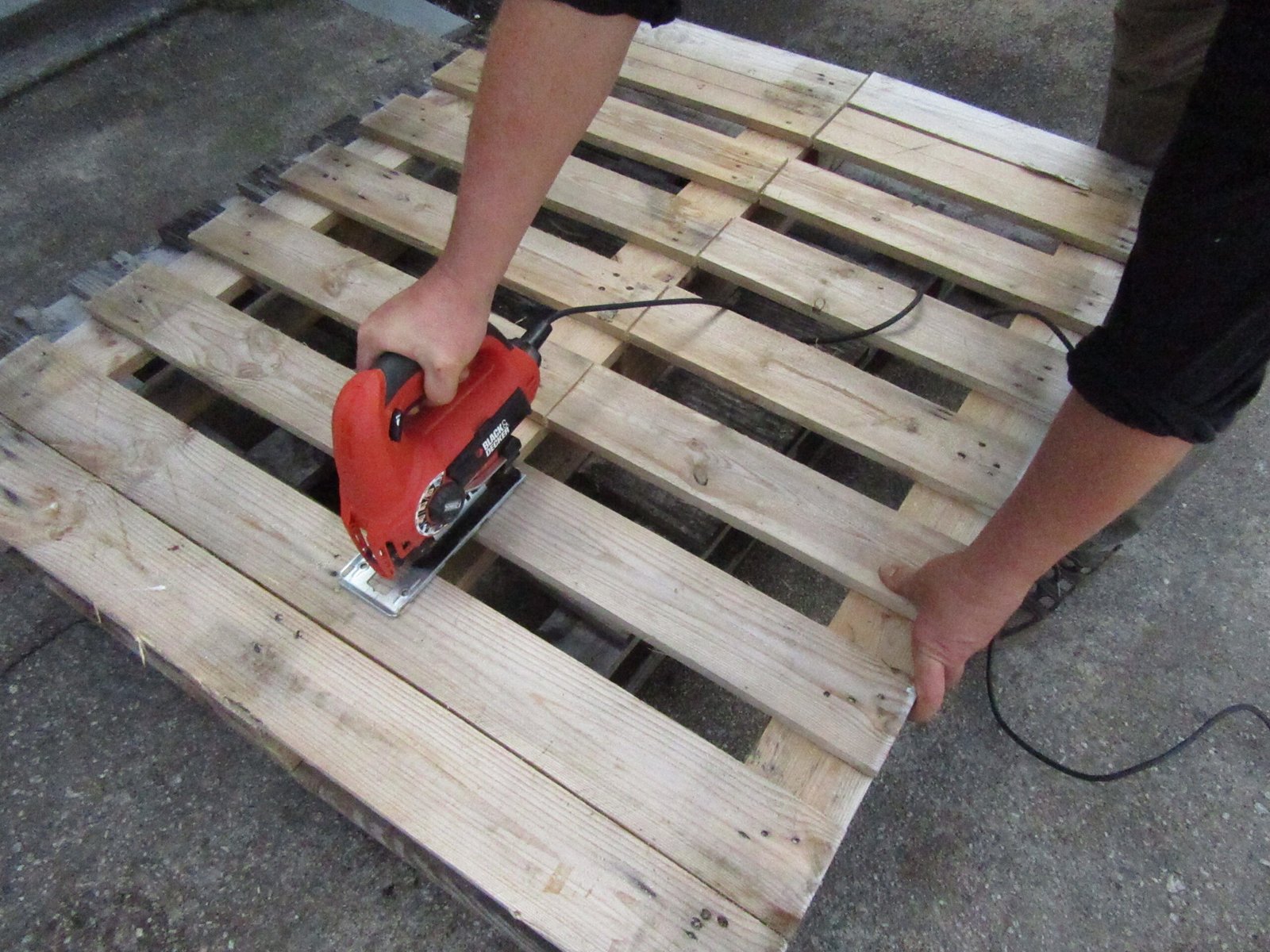
I’ve made compost facilities from pallets many times before. Why I like using pallets is that they are free, and can be knocked up in about an hour requiring very little DIY skills. If possible, try to use pallets that are all the same size. Most standard pallets are 1.20m by 1m. Free pallets can often be found around warehouse facilities, but always ask the owners before helping yourself as some pallets are ‘returnable’ or may well be needed.
You will need to build 3 bays:
8.5 pallets the same size
Screwdriver, screws and batons
Garden fork and rake
Garden wire
Step One

Step Two
Step Three
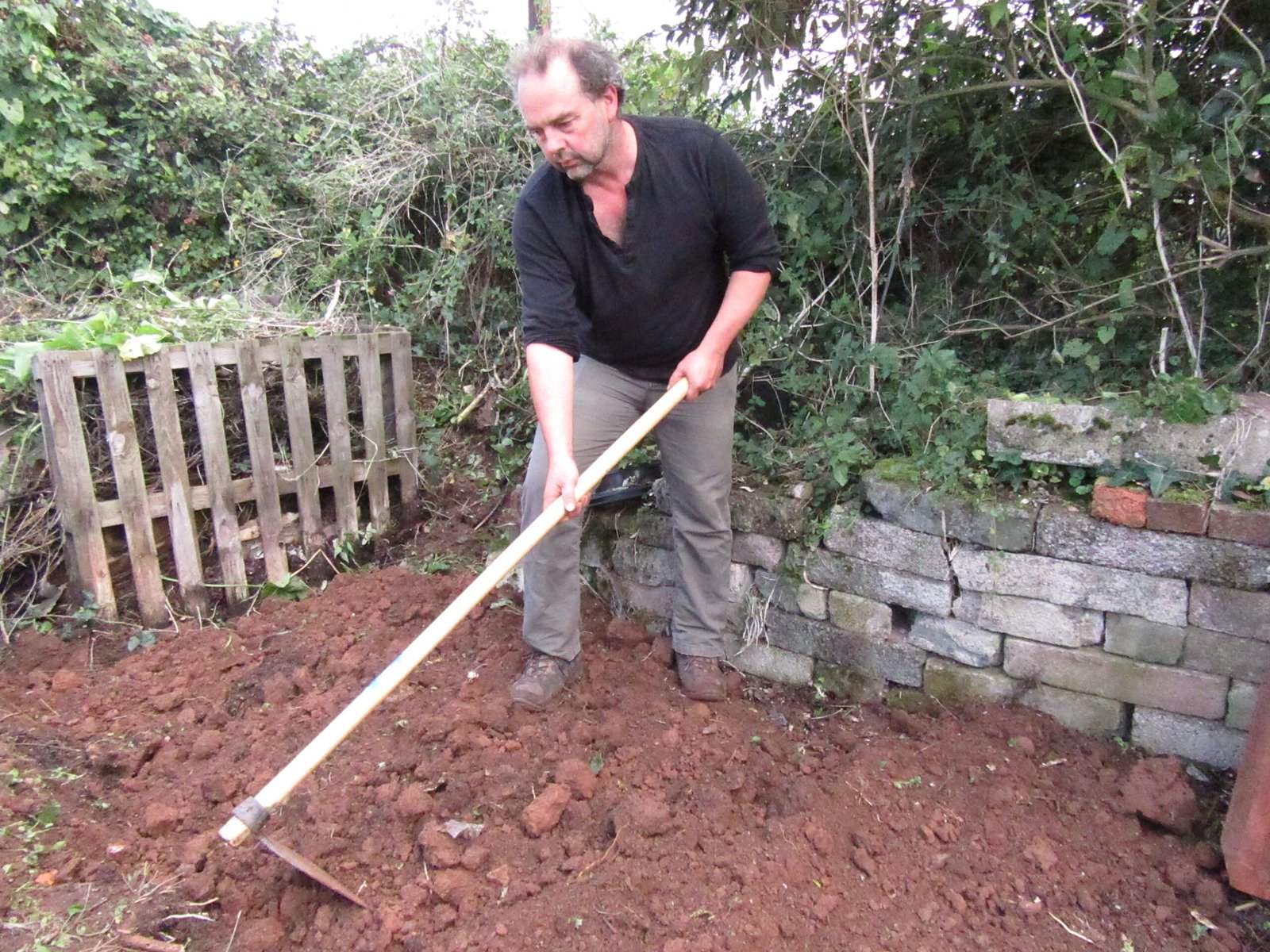
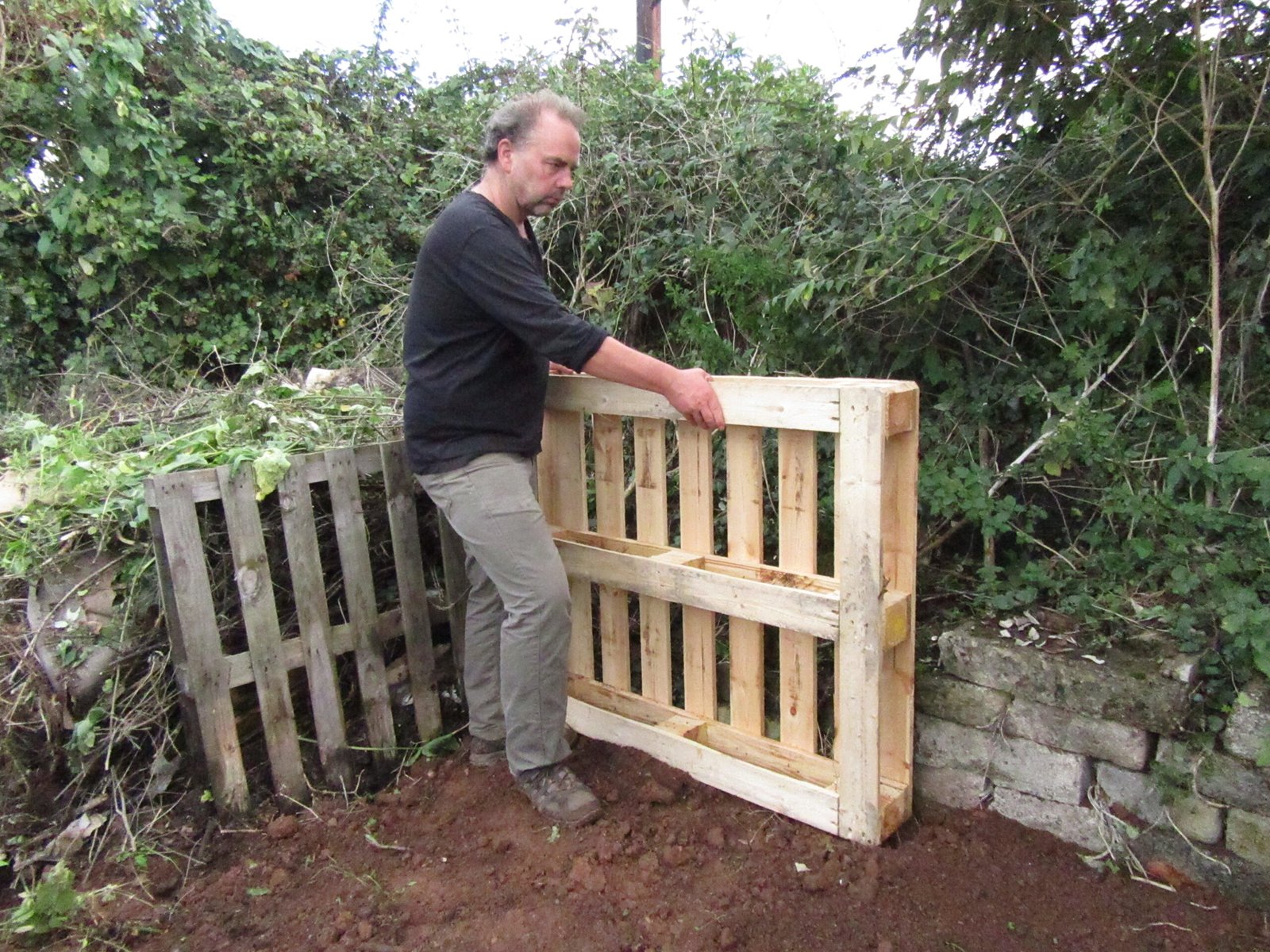
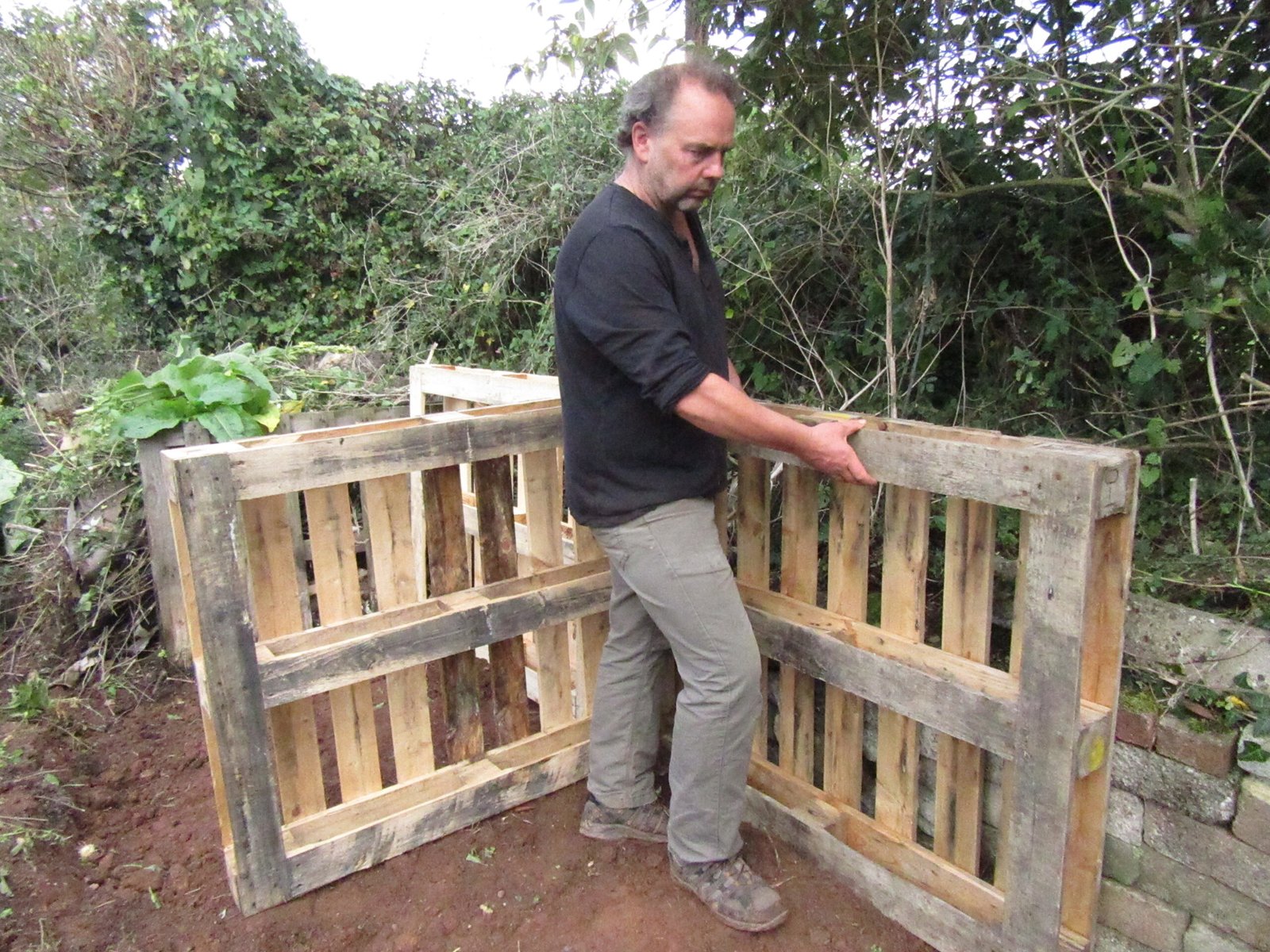
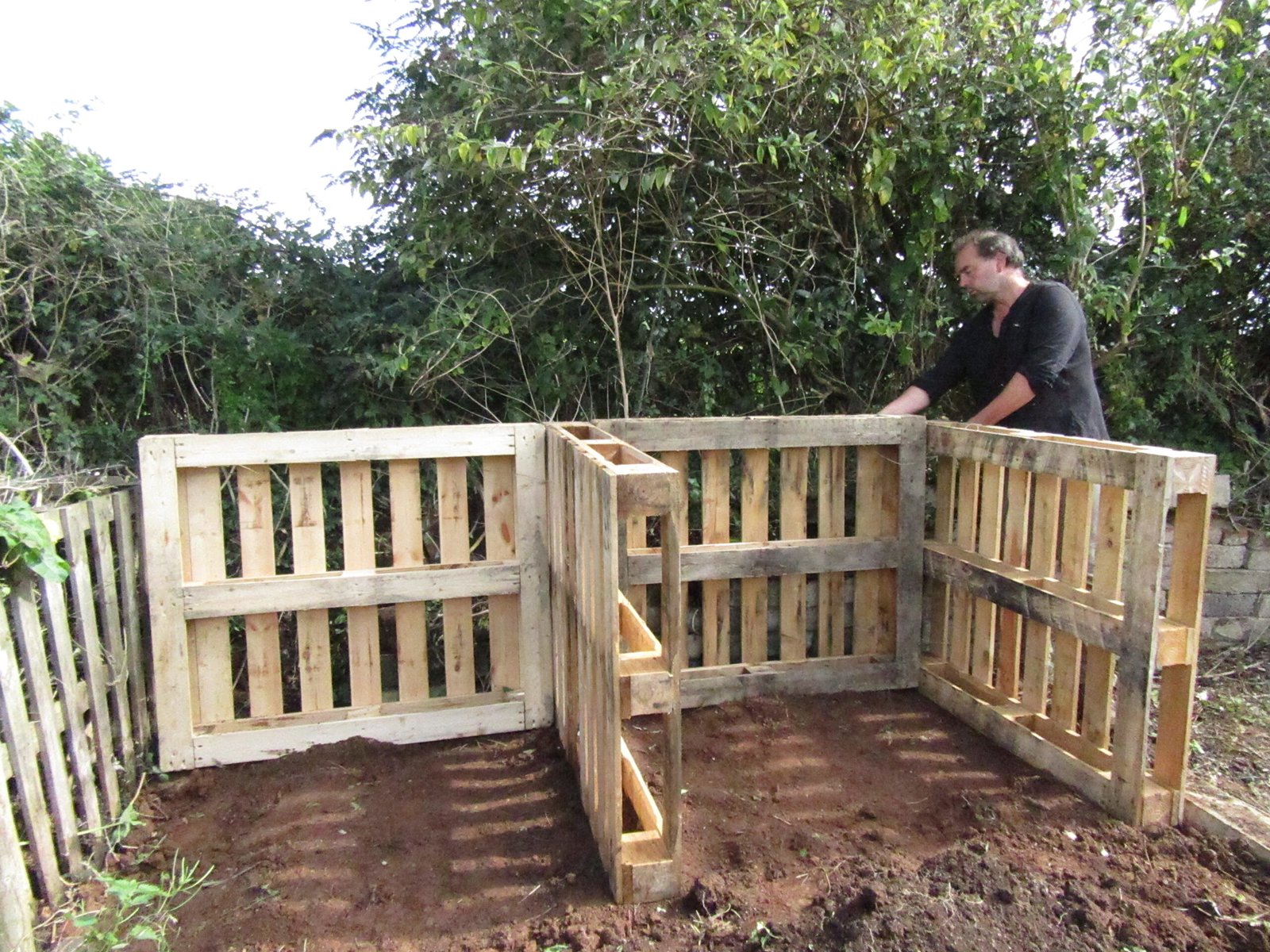
Start to build your first bay by placing a pallet on its lengthways side at the back. Take time to get it level, as otherwise the other pallets won’t but up flush to it.
Step Four
Step Five
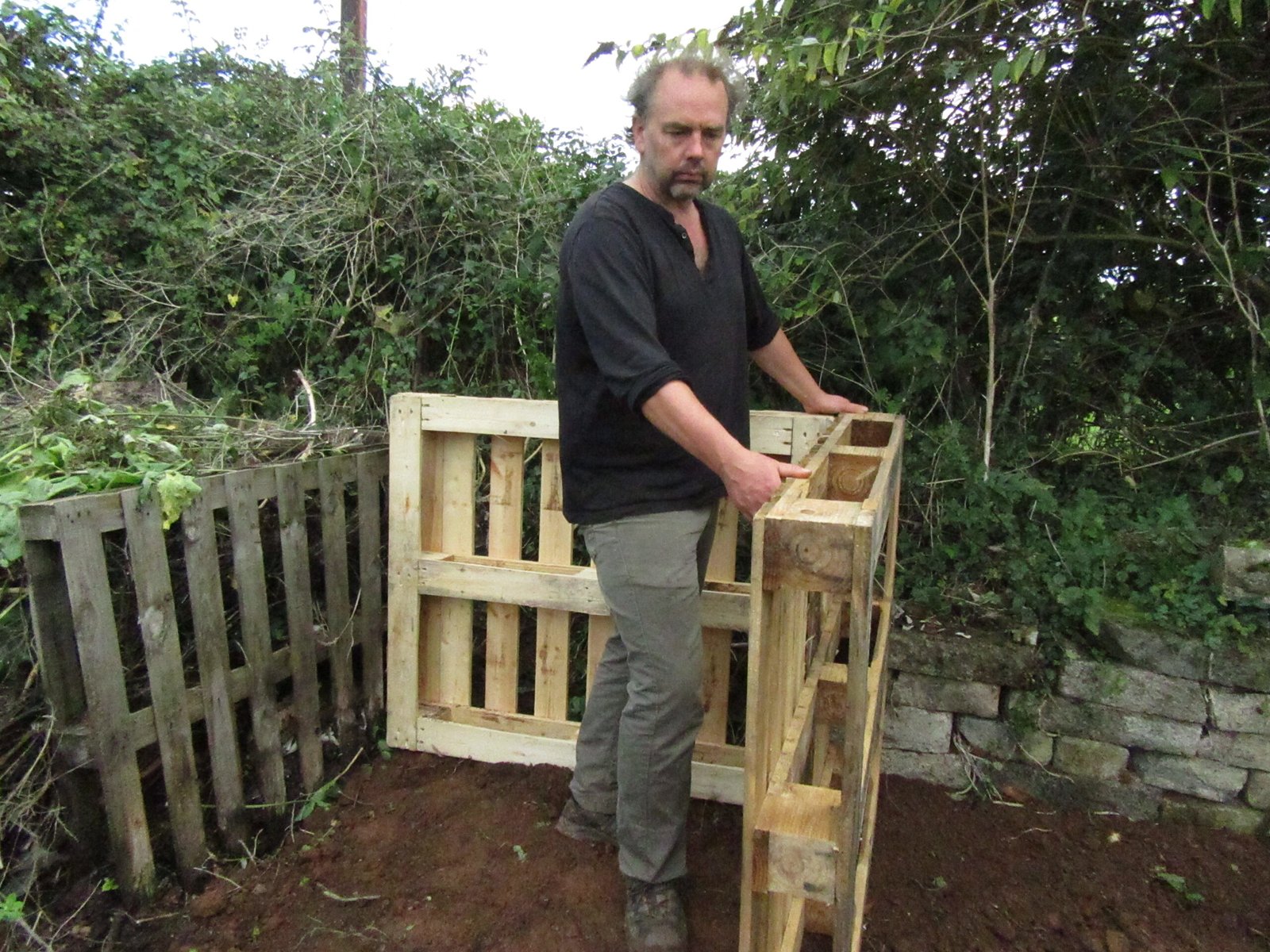
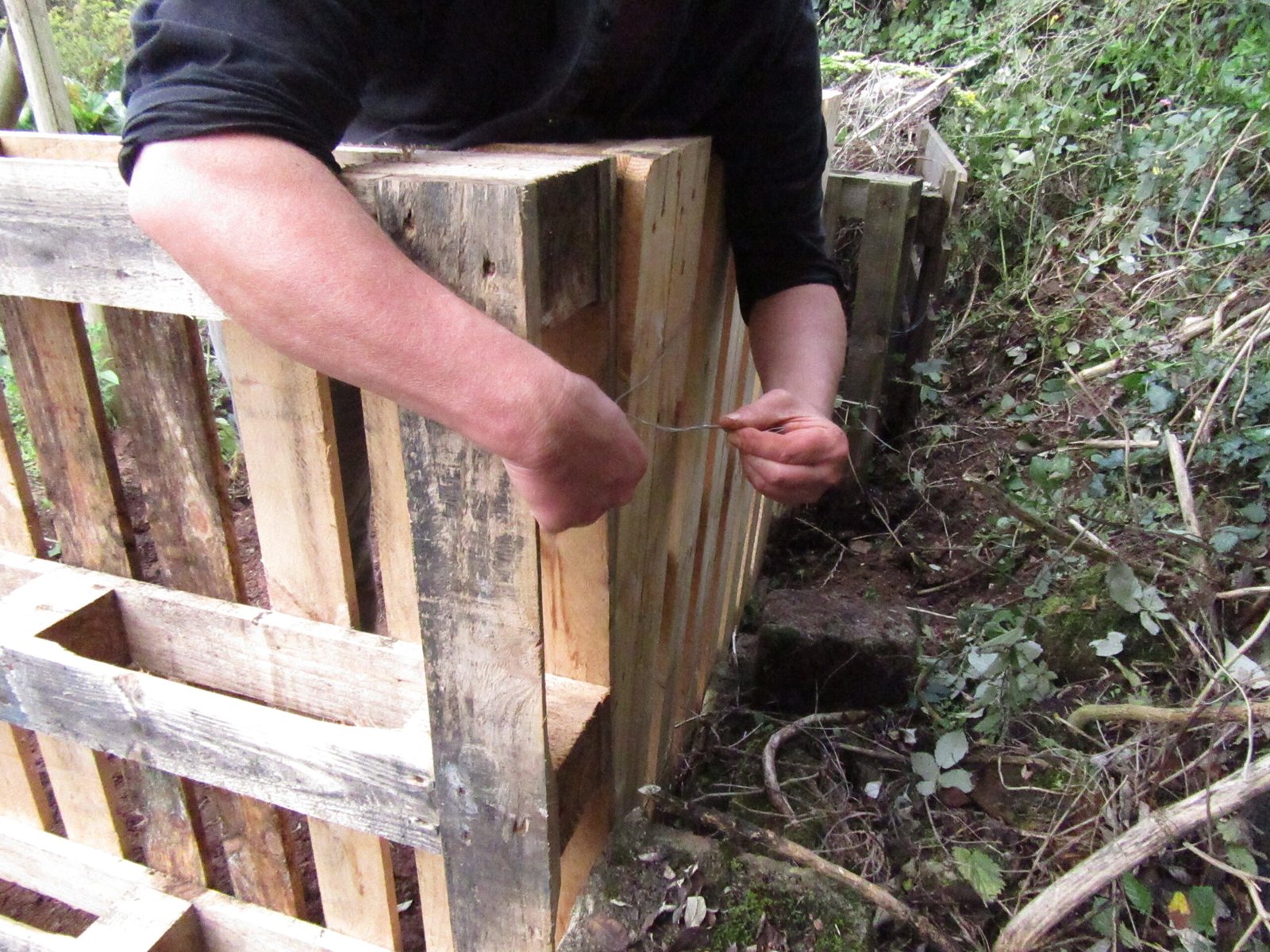
Use wire to tie the pallets together. If you want something more permanent and long term you can strut the pallets together using batons of wood.
Step Six
Step Seven
Step Eight
Step Nine
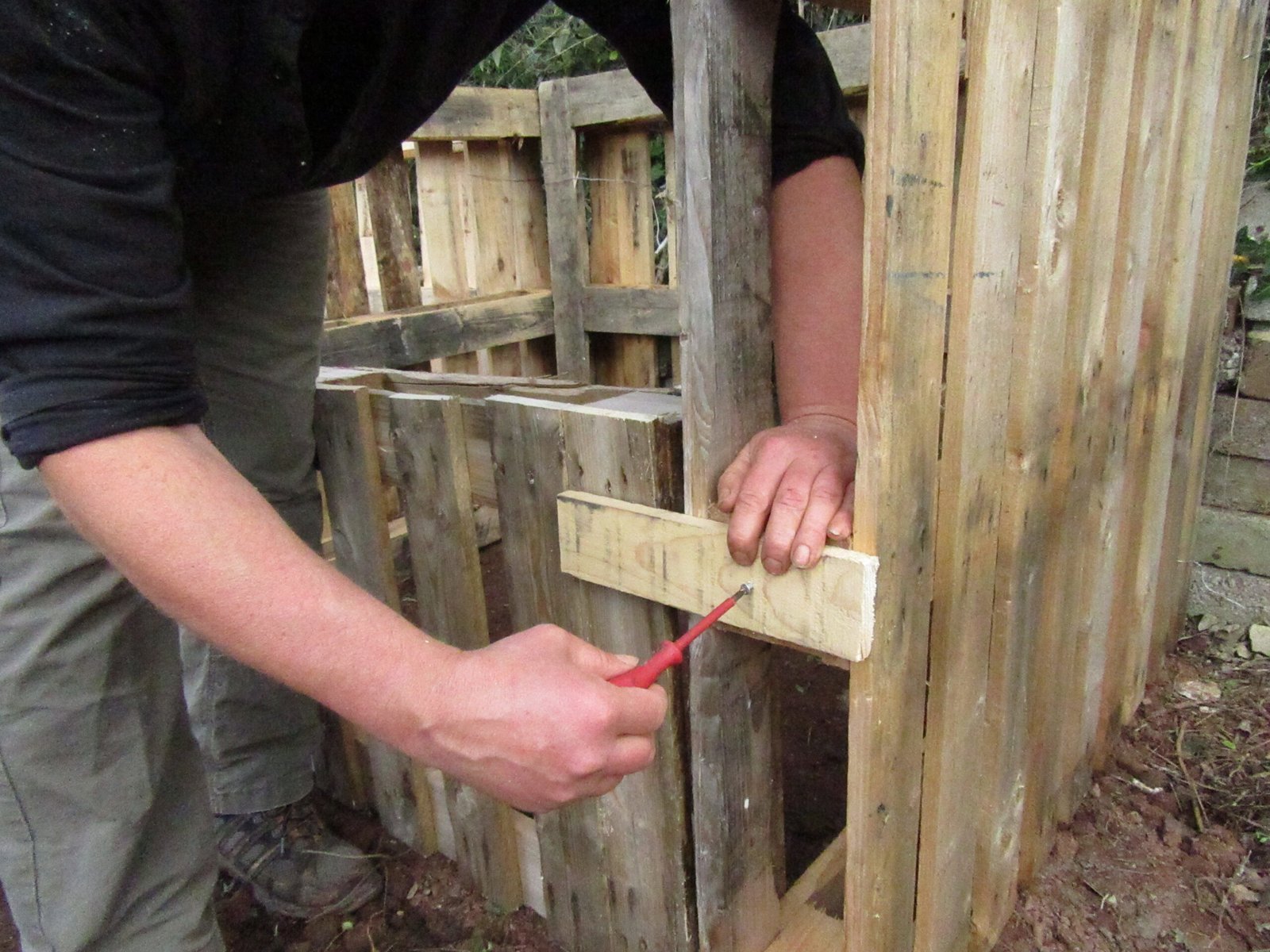
To keep the fronts in place, cut 20cm length batons and screw them to the sides of the pallets across the fronts. Turn them vertically to lift out the fronts when access is needed.
Turing compost
At this time of year I always end up with a huge amount of garden waste, as my kitchen garden is harvested and all the excess plant material gets added to the compost heap. Composting facilities in the garden are rightly regarded as the engine house of the kitchen garden. You can buy your own compost, but it is expensive and you can never be sure what has been put into it. Far better to make your own.
If possible, start with three compost bays. Start by placing all your compost into Bay One. After two or three months or when it is full, use a fork to ‘turn’ the compost out of Bay one and into Bay Two. Continue to fill bay one with fresh compostable material. After another three of four months the material in bay three should be rotted down enough to be used in the garden. Once Bay Three is empty turn, Bay Two’s content into Bay three and Bay one’s content into Bay two and start to fill Bay one again.
Using this system should ensure that you are never short of gorgeous, homemade compost in the garden. For a good healthy compost try to ensure you have a good mix of ‘green’ material such as grass cuttings, vegetable peelings and herbaceous plant material, and brown, carbon rich material such as wood chippings, newspaper and shredded cardboard. Avoid, fish, meat and dairy products unless you can get your domestic compost very hot and it is rodent proof.